America’s Gilded Age produced architectural marvels that continue to captivate visitors more than a century later. Two estates stand out as testaments to this era of extravagance: Biltmore Estate in Asheville, North Carolina, and Hearst Castle in San Simeon, California. Both represent the pinnacle of wealth, ambition, and artistic vision—yet each offers a distinctly different experience. If you’re planning a historic estate tour or simply curious about these American landmarks, this comparison will help you understand what makes each property unique.
Architectural Splendor: French Elegance Meets Mediterranean Drama
Biltmore House: A French Renaissance Masterpiece
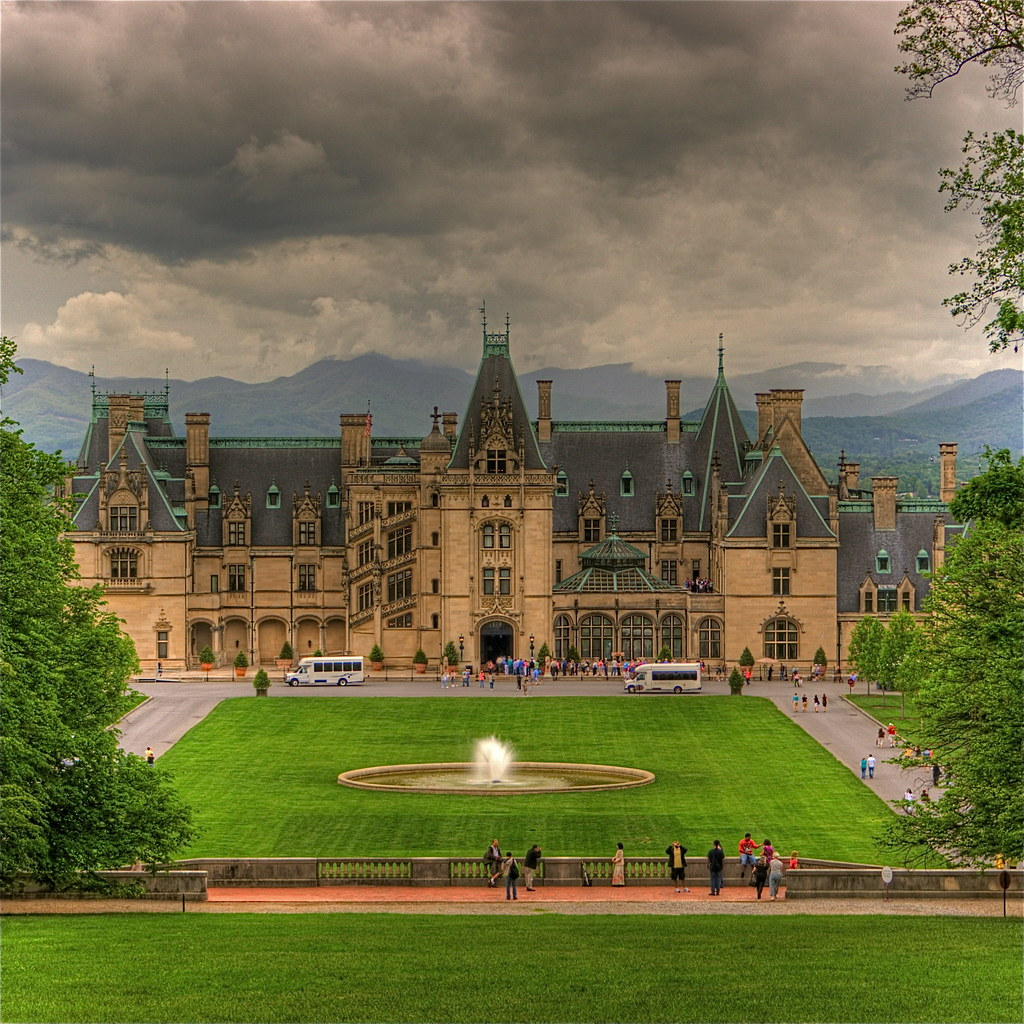
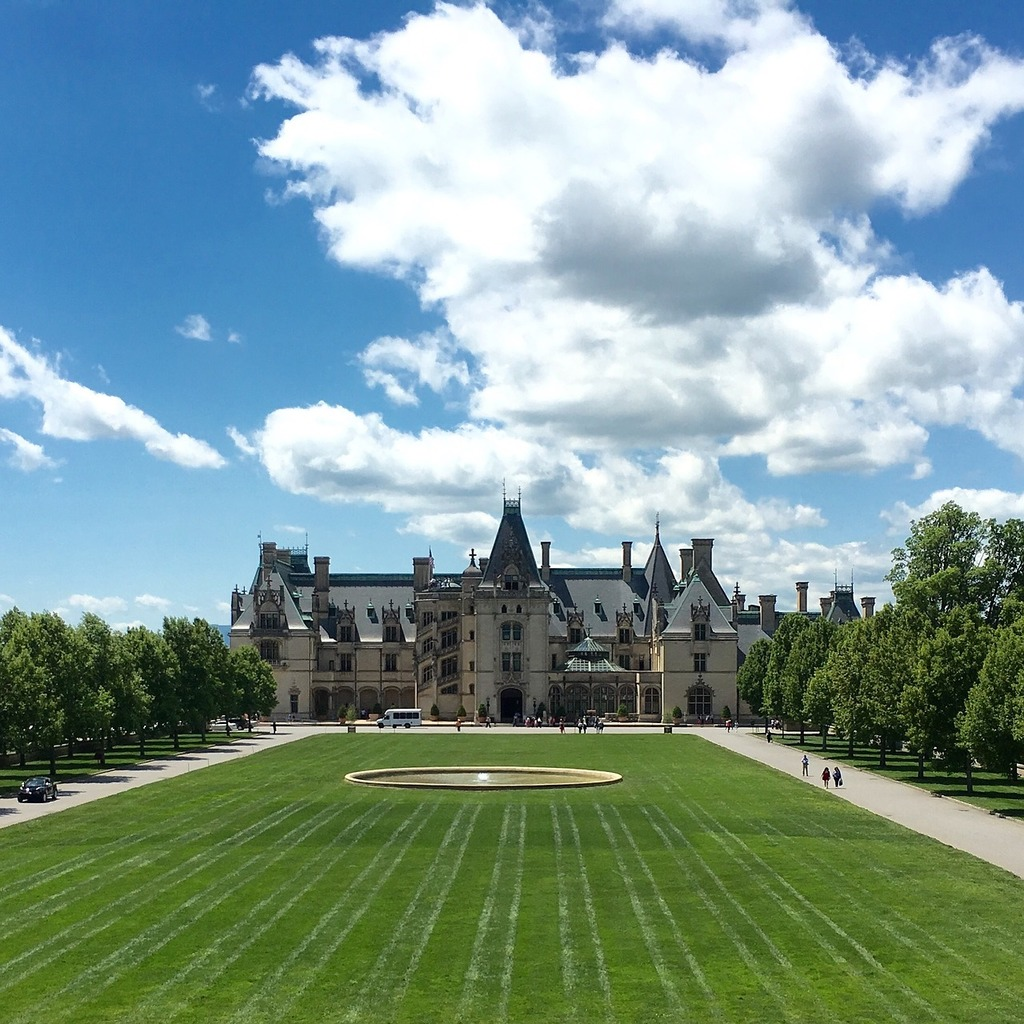
George Washington Vanderbilt commissioned architect Richard Morris Hunt to design Biltmore House, which was constructed between 1889 and 1895. The result is a stunning 250-room Châteauesque-style mansion that spans 175,000 square feet—more than four acres of floor space. With 35 bedrooms, 43 bathrooms, and 65 fireplaces, Biltmore House remains the largest privately owned home in the United States.
Hunt drew inspiration from the châteaux of France’s Loire Valley, particularly the Château de Blois. The limestone façade, steeply pitched roof, ornate stonework, and soaring turrets create an atmosphere of European grandeur transplanted to the Blue Ridge Mountains. The home opened to friends and family on Christmas Eve, 1895, marking the culmination of Vanderbilt’s vision.
Hearst Castle: Mediterranean Revival Extravaganza
William Randolph Hearst began building his hilltop retreat—which he called “La Cuesta Encantada” (The Enchanted Hill)—in 1919. Working with architect Julia Morgan, Hearst created a complex that by 1947 included the twin-towered main building (Casa Grande), three sumptuous guesthouses, and 127 acres of terraced gardens, fountains, and pools.
Casa Grande contains 115 rooms, including 38 bedrooms, 42 bathrooms, and 30 fireplaces across 68,500 square feet. The Mediterranean Revival and Spanish Colonial influences are evident in the white stucco walls, red-tile roofs, ornamental towers, and extensive use of Spanish and Italian architectural elements. Morgan’s design seamlessly blends Old World romance with California sunshine.
Legacy of Two American Dynasties
The Vanderbilt Vision
George Vanderbilt was born in 1862, the grandson of industrialist Cornelius “Commodore” Vanderbilt, who built the family’s fortune through shipping and railroad monopolies. Unlike many of his contemporaries, George was a scholar, collector, and patron of the arts. His vision for Biltmore extended beyond a personal residence—he pioneered sustainable land use practices and is credited with establishing the birthplace of American forestry.
George married Edith Stuyvesant Dresser in Paris in 1898, and their only child, Cornelia, was born at Biltmore in 1900. After George’s unexpected death in 1914, Edith preserved the estate’s legacy. Today, Biltmore remains family-owned and operated by George and Edith’s descendants, following the founder’s mission of preservation through self-sufficiency.
The Hearst Empire
William Randolph Hearst built a media empire that dominated American journalism in the early 20th century. His collaboration with Julia Morgan—one of the first licensed female architects in California—spanned nearly three decades. Hearst was an avid art collector, and his castle reflects his passion for European antiquities, with collections spanning centuries.
The estate served as both a private residence and an entertainment venue for Hollywood’s elite during the 1920s and 1930s. Today, Hearst Castle is operated by California State Parks and welcomes visitors to explore this unique piece of American history.
Must-See Highlights
Biltmore House: Grand Interiors and Gardens
The Banquet Hall is among the most impressive spaces in Biltmore House. With a 70-foot-high barrel-vaulted ceiling, massive triple fireplace, and flags representing countries Vanderbilt visited, this room epitomizes Gilded Age grandeur. The Library houses over 10,000 volumes and features a painted ceiling by Giovanni Antonio Pellegrini.
Don’t miss the indoor swimming pool in the basement—a technological marvel for its time—complete with underwater lighting. The Tapestry Gallery showcases priceless Flemish tapestries, while the Winter Garden offers a serene glass-enclosed space filled with palms and sculpture.
Outside, Frederick Law Olmsted’s 75 acres of formal and informal gardens provide year-round beauty. The estate also features Biltmore Winery (established 1985), Antler Hill Village with shops and dining, and over 22 miles of hiking and biking trails across 8,000 acres.
Hearst Castle: The Neptune Pool and Roman Pool
The Neptune Pool is perhaps the most photographed feature of Hearst Castle. Construction spanned 1924-1936, with three successive versions built, each larger than the last. The final iteration measures 104 feet long, 58 feet wide (95 feet at the alcove), and holds 345,000 gallons of water. The pool is lined with Vermont marble and decorated with Italian relief sculptures on the colonnades. After a two-year restoration, the pool was refilled in August 2018, once again showcasing its brilliant turquoise waters.
The indoor Roman Pool rivals its outdoor counterpart in magnificence. Built between 1927 and 1934, this mosaic-tiled masterpiece features over one million glass tiles (smalti) in blue and gold. The designs, created by muralist Camille Solon, were inspired by 5th-century mosaics in the Mausoleum of Galla Placidia in Ravenna, Italy. Eight marble statues of Roman gods and heroes, carved by Carlo Freter, surround the 10-foot-deep pool.
Tours also showcase Casa Grande’s Gothic Study, the Refectory (dining hall), the Billiard Room, and Theater, along with Hearst’s extensive art collection displayed throughout.
When to Visit
Biltmore Estate: Spring and Fall Shine
Asheville’s location in the Blue Ridge Mountains makes spring and fall the most popular times to visit. April through May brings blooming gardens, mild temperatures, and vibrant azaleas and tulips. September through November offers stunning fall foliage, comfortable weather, and the estate’s popular harvest celebrations.
Summer (June-August) can be warm and humid, but it’s ideal for outdoor activities like hiking and biking. Winter visitors enjoy Christmas at Biltmore, when the house is decorated with dozens of trees, miles of garland, and thousands of lights—though mountain weather can be unpredictable.
Hearst Castle: Year-Round California Sunshine
San Simeon benefits from California’s Central Coast climate, with mild temperatures year-round. Spring (March-May) and fall (September-November) offer the most comfortable touring conditions, with daytime temperatures in the 60s and 70s.
Summer brings coastal fog in the mornings (the “marine layer”), which typically burns off by afternoon. Winter months are cooler and can see occasional rain, but crowds are lighter. The Mediterranean climate means you can visit comfortably in any season, though advanced reservations are strongly recommended regardless of when you go.
Practical Travel Tips
For Biltmore Estate:
- Plan a full day to explore the house, gardens, winery, and village
- Audio guides are included with admission and provide excellent historical context
- Consider special tours like the Rooftop Tour for unique perspectives
- The estate is just minutes from downtown Asheville, which offers additional dining and lodging options
- Book tickets in advance, especially during peak seasons
For Hearst Castle:
- Choose from several tour options: Grand Rooms Tour (best for first-timers), Upstairs Suites Tour, Cottages & Kitchen Tour, or the seasonal Julia Morgan Tour
- Tours last approximately two hours and involve walking and climbing stairs
- The castle is located about halfway between Los Angeles and San Francisco on Highway 1, making it an ideal California road trip stop
- Face coverings are strongly recommended but not required
- Reserve tickets through California State Parks in advance
Experience American History
Both Biltmore Estate and Hearst Castle offer unparalleled glimpses into America’s Gilded Age. Biltmore’s French château design and forested mountain setting create an East Coast elegance, while Hearst Castle’s Mediterranean grandeur and Pacific hilltop location embody California glamour. Whether you’re drawn to Vanderbilt’s refined cultural vision or Hearst’s theatrical opulence, visiting these estates means stepping into a world where no expense was spared and every detail mattered.
The best choice depends on your travel plans and preferences. History enthusiasts might appreciate Biltmore’s original furnishings and family legacy, while architecture lovers could be drawn to Hearst Castle’s eclectic design and stunning pools. Fortunately, both estates preserve their stories with care, ensuring future generations can marvel at these American treasures.