Choosing between Air Canada and Lufthansa for your transatlantic flight comes down to more than just price. From loyalty programs and cabin comfort to baggage policies and hub convenience, these two Star Alliance giants take different approaches to the North America–Europe route.
If you’re weighing your options for an upcoming trip, this guide breaks down the key differences between Air Canada and Lufthansa across the categories that matter most to travelers.
Loyalty Programs: Aeroplan vs Miles & More
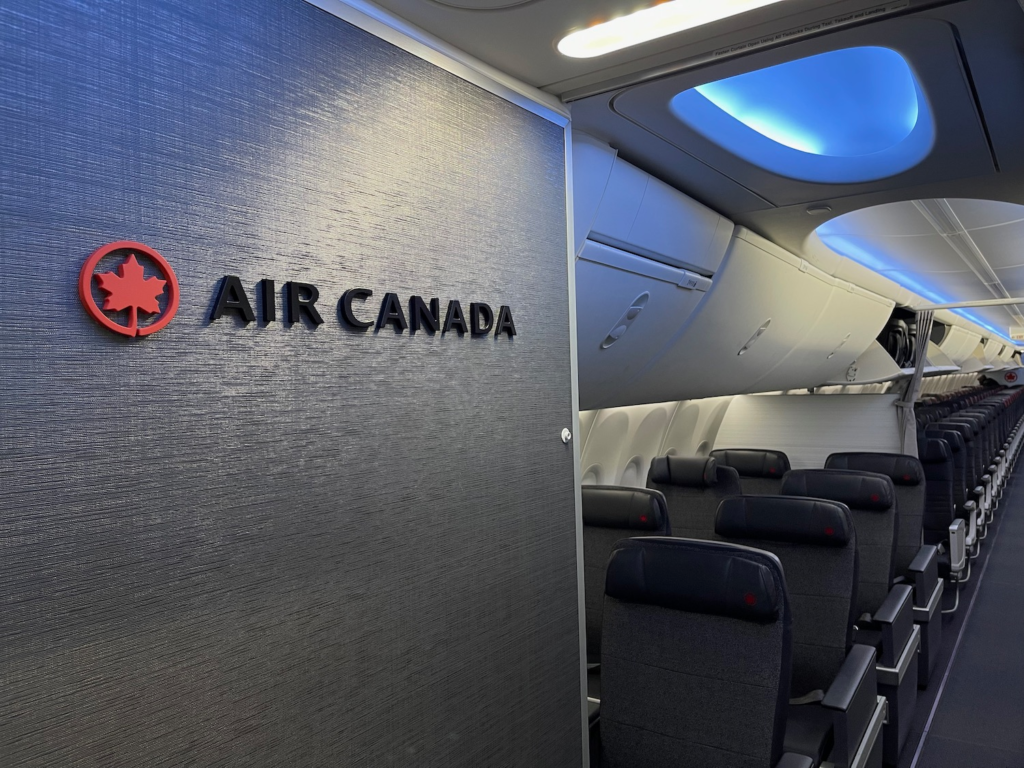
Both airlines offer solid frequent flyer programs, but the value proposition differs significantly when redeeming miles.
Aeroplan (Air Canada’s program) stands out for one critical reason: no carrier-imposed fuel surcharges on award tickets. You’ll pay taxes and fees, plus a $39 CAD partner booking fee if your itinerary includes non-Air Canada Star Alliance flights, but that’s far more predictable than what you’ll encounter with Miles & More.
Miles & More (Lufthansa’s program) is harder to earn miles in but unlocks coveted Lufthansa First Class awards without the last-minute availability games. However, as of June 3, 2025, Miles & More switched to dynamic pricing for Lufthansa Group airlines (Lufthansa, SWISS, Austrian Airlines), eliminating its popular Mileage Bargains program. Partner awards now cost more too—business class from North America to Europe jumped from 112,000 to 125,000 miles round-trip. And don’t forget: Miles & More passes along hefty fuel surcharges, which can add several hundred dollars to your “free” ticket.
Winner: Aeroplan, for transparent pricing and no surprise fuel surcharges.
Business Class: Signature Class vs Allegris
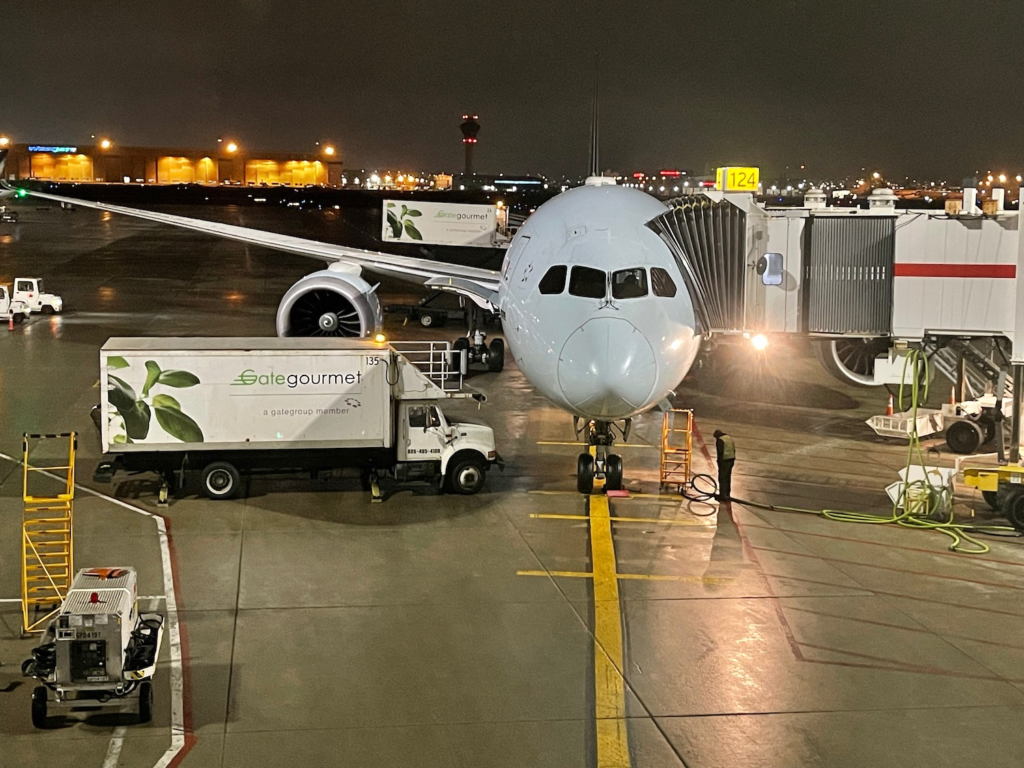
Air Canada’s Signature Class offers reverse herringbone seats in a 1-2-1 configuration across its long-haul fleet, including the Boeing 777, 787, and modern A330-300 aircraft. Every seat provides direct aisle access, and the dividers between center seats on the A330 actually slide open—a thoughtful touch for couples traveling together. The 777 variants offer slightly more space, while the 787-8 features a more intimate 20-seat cabin.
Lufthansa is rolling out Allegris, its redesigned premium cabin concept. The new business class debuted on A350-900s from Munich in summer 2024, and on Boeing 787-9s from Frankfurt starting October 9, 2025. Allegris introduces different seat types (Business Suites, Extra Space Seats, Privacy Seats), giving passengers more choice. The catch? Certification delays plagued the rollout. As of April 15, 2026, only 25 of 28 business class seats on the 787-9 are available for booking—three seats in row two remain blocked by FAA approval issues. Early passenger reports also mention frequent seat malfunctions requiring in-flight troubleshooting.
Lufthansa’s pre-Allegris business class varies by aircraft and isn’t as consistent as Air Canada’s product.
Winner: Air Canada, for proven reliability and fleet-wide consistency. Lufthansa’s Allegris shows promise but needs time to iron out teething issues.
Premium Economy and Economy: The Comfort Factor
Both airlines offer premium economy with extra legroom, wider seats, and upgraded meal service. Air Canada’s premium economy provides a solid middle ground for passengers who want more space without splurging on business class. Lufthansa’s premium economy is comparable, with two free checked bags (23 kg each) on intercontinental flights.
In regular economy, both carriers offer similar seat pitch and width on long-haul aircraft. The real difference emerges with basic economy fares. Air Canada’s Economy Basic tickets purchased on or after January 3, 2025, no longer include carry-on baggage—just a personal item. Lufthansa’s Economy Light also restricts checked baggage but still permits an 8 kg carry-on plus a personal item.
Winner: Lufthansa, for maintaining carry-on privileges even on the cheapest fares.
Baggage Allowances: Reading the Fine Print
Standard economy passengers get one free checked bag (23 kg) on both airlines for transatlantic flights. Premium economy and business class passengers enjoy two bags, with business class allowing heavier pieces (32 kg each on Lufthansa).
Where it gets tricky: basic economy. Air Canada removed carry-on privileges from Economy Basic in early 2025, while Lufthansa still allows one 8 kg carry-on bag with Economy Light. Both airlines charge extra for additional or overweight bags, but Lufthansa’s baggage calculator makes it easier to price out your exact needs before booking.
Winner: Lufthansa, for clearer policies and slightly better basic fare inclusions.
Hubs and Connectivity: Toronto vs Frankfurt/Munich
Air Canada operates its primary transatlantic hub at Toronto Pearson (YYZ), connecting passengers across North America to European destinations. The Maple Leaf Lounges offer comfortable seating and decent food, though they can get crowded during peak travel times.
Lufthansa splits operations between Frankfurt (FRA) and Munich (MUC). Frankfurt is one of Europe’s largest hubs, offering extensive onward connections throughout the continent, Middle East, and Asia. Munich provides a more compact, efficient experience with shorter connection times. Lufthansa’s Senator Lounges and First Class Terminals (in Frankfurt and Munich) are among the best in the industry, especially for premium passengers.
Winner: Lufthansa, for superior European connectivity and lounge quality.
In-Flight Connectivity: WiFi Pricing
Air Canada announced free WiFi for Aeroplan members on North American flights starting May 2025, with plans to extend free WiFi to long-haul international flights in 2026. Until then, expect to pay around $19 USD for WiFi on transatlantic sectors.
Lufthansa charges for WiFi on most flights, with pricing varying by duration and data package. Neither airline offers particularly fast speeds compared to U.S. domestic carriers, but both provide enough bandwidth for email and messaging.
Winner: Air Canada (eventually), once free international WiFi rolls out.
Award Ticket Fees and Surcharges
This is where the gap widens significantly. Aeroplan charges no carrier-imposed surcharges, just government taxes and fees. You’ll pay the $39 CAD partner fee if you book an award that includes non-Air Canada flights, plus standard change ($100 CAD) and cancellation ($150 CAD) fees unless you pay extra miles for a Flexible Reward.
Miles & More, on the other hand, passes along substantial fuel surcharges on Lufthansa Group flights—often hundreds of dollars even on “free” award tickets. Partner awards avoid some of these surcharges, but you’re still looking at higher out-of-pocket costs than Aeroplan.
Winner: Aeroplan, by a landslide.
Operational Reliability: Who Gets You There on Time?
Both airlines face operational challenges, particularly during winter. Air Canada deals with harsh Canadian winters affecting its Toronto hub, while Lufthansa navigates snow and fog across German airports.
Recent operational data is limited, but anecdotal reports suggest both carriers experience similar delays during peak winter months. Your best bet is to build in buffer time for tight connections, especially November through February.
Winner: Tie—both face weather-related challenges.
Quick Comparison: Air Canada vs Lufthansa
| Category | Air Canada | Lufthansa |
|---|---|---|
| Business Class | Consistent reverse herringbone | Allegris rolling out (certification issues) |
| Loyalty Program | Aeroplan (no fuel surcharges) | Miles & More (dynamic pricing, high surcharges) |
| Basic Economy Carry-On | Personal item only (no carry-on) | 8 kg carry-on + personal item |
| Hub Experience | Toronto Pearson | Frankfurt & Munich (superior connectivity) |
| WiFi | Free for Aeroplan (international in 2026) | Paid (varies by flight) |
| Award Ticket Fees | Minimal (no fuel surcharges) | High fuel surcharges |
| Premium Economy | Good space, solid value | Comparable space, two free bags |
The Verdict: Which Airline Should You Choose?
Choose Air Canada if you:
- Want to maximize frequent flyer value without surprise fees
- Prefer consistent business class hard product across the fleet
- Are looking forward to free WiFi on long-haul flights (coming 2026)
- Value transparent award ticket pricing
Choose Lufthansa if you:
- Need extensive European connections beyond major cities
- Want access to world-class airport lounges
- Prefer to keep carry-on privileges even with basic economy
- Are willing to pay fuel surcharges for Lufthansa First Class access
Both airlines deliver solid transatlantic service, but they cater to slightly different priorities. Air Canada wins on loyalty program value and product consistency, while Lufthansa excels at hub connectivity and premium lounge experiences. Your ideal choice depends on whether you prioritize award travel flexibility or European network reach.