Choosing between Air Canada and WestJet can feel like picking sides in a friendly rivalry. Both airlines have carved out significant spaces in Canadian aviation, but they cater to travelers in distinctly different ways. Whether you’re planning a quick domestic hop or a long-haul international adventure, understanding what each carrier brings to the table will help you make the right choice for your next trip.
Let’s break down how these two airlines stack up across the factors that matter most: fleet and comfort, route options, onboard experience, loyalty rewards, pricing, and reliability.
Fleet and Cabin Classes: Size Matters
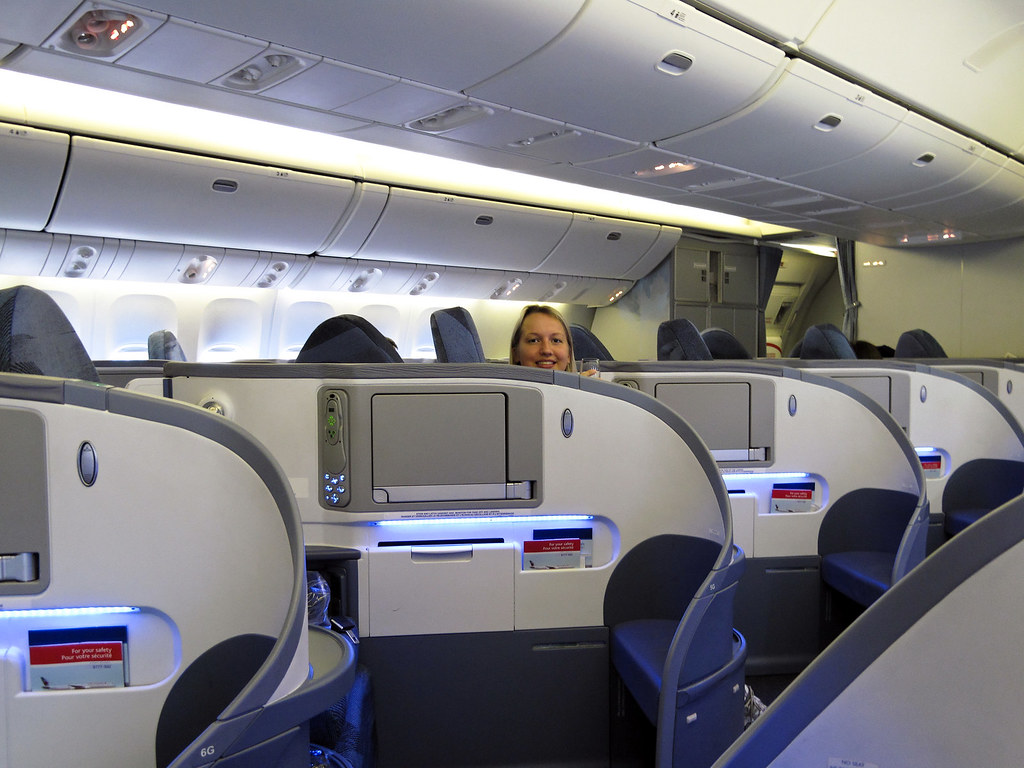
Air Canada operates a significantly larger and more varied fleet than WestJet, featuring wide-body aircraft like the Boeing 787 Dreamliner, Airbus A330, and the newer A220 for shorter routes. This diversity allows Air Canada to offer multiple cabin classes on long-haul flights, including Signature Class (business), Premium Economy, and standard Economy. Many of their wide-body aircraft feature fully lie-flat seats in business class and personal inflight entertainment at every seat.
WestJet’s fleet centers primarily around Boeing 737 aircraft for domestic and short-haul routes, with Boeing 787-9 Dreamliners reserved for long-haul international travel. The Dreamliner is WestJet’s only aircraft configured with three separate cabin types: Business, Premium, and Economy. With a capacity of 320 passengers, it features lie-flat business class pods and personal touchscreen entertainment systems at every seat—a significant upgrade from their narrowbody fleet.
For travelers prioritizing comfort on transcontinental or overseas flights, both airlines deliver solid premium cabin experiences. Air Canada edges ahead with more aircraft variety and a larger premium cabin footprint across their network.
Route Networks: Domestic Strength vs Global Reach
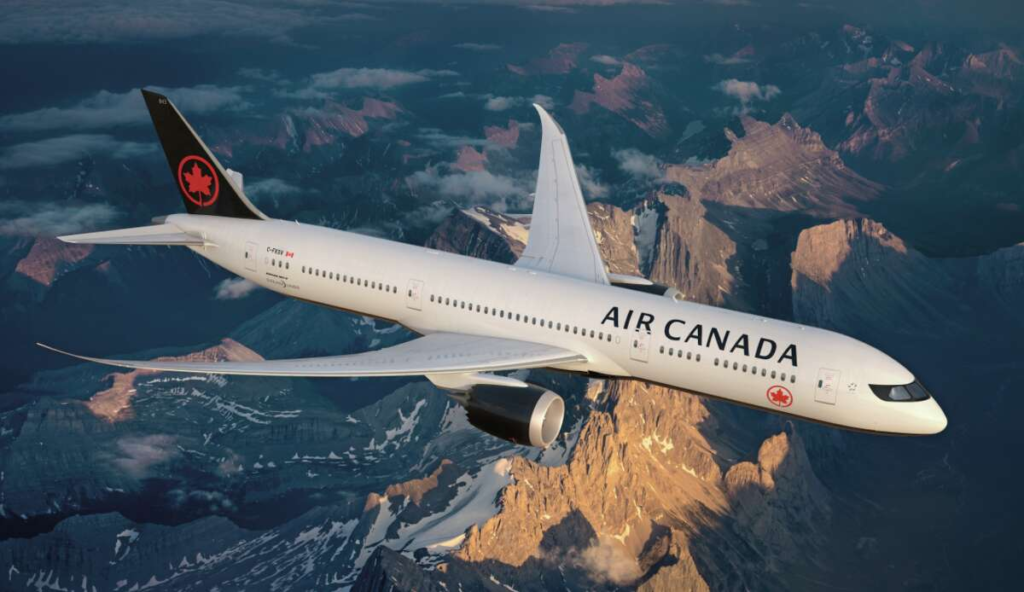
Air Canada’s extensive route network spans six continents, with major hubs in Toronto, Montreal, and Vancouver. Their Star Alliance membership opens doors to hundreds of additional destinations through partner airlines, making them the go-to choice for complex international itineraries or connections to smaller cities worldwide.
WestJet has built its reputation on strong domestic coverage, with Calgary serving as its primary hub. While they’ve expanded internationally—adding routes to Europe, the Caribbean, Mexico, and select Asian destinations—their network remains more limited compared to Air Canada’s global footprint. WestJet partners with Delta through a joint venture and maintains codeshare agreements with several other carriers, though their alliance network isn’t as comprehensive.
If you’re flying within Canada or heading to popular sun destinations, WestJet often provides competitive schedules and pricing. For multi-city international trips or destinations requiring connections through Europe or Asia, Air Canada typically offers more routing flexibility.
Onboard Experience: What to Expect in the Air
Both airlines have invested in improving their inflight experience, but the offerings vary depending on your route and aircraft type.
Entertainment and Connectivity: WestJet’s 787 Dreamliners feature personal seatback screens with on-demand entertainment and complimentary noise-cancelling headphones for all passengers. Their narrowbody fleet relies on WestJet Connect, which lets you stream content to your own device via the onboard Wi-Fi network. Wi-Fi is available for a fee on most aircraft.
Air Canada provides personal seatback entertainment on wide-body aircraft and select narrowbody planes, with a mix of streaming and seatback options across their fleet. Wi-Fi availability has expanded significantly, though it remains a paid service on most flights.
Meals and Service: Long-haul flights on both airlines include complimentary meal service in all cabins. Air Canada generally offers more extensive meal options on international routes, particularly in premium cabins. WestJet has upgraded its food and beverage offerings in recent years, with premium cabin passengers receiving multi-course meals on long-haul flights.
For shorter domestic flights, both airlines offer buy-onboard food and beverage programs in economy, with complimentary snacks and drinks often limited to water, coffee, and tea.
Loyalty Programs: Aeroplan vs WestJet Rewards
Aeroplan has evolved into one of North America’s most flexible points programs. Members earn points on Air Canada flights and through a vast network of partners, including credit cards, hotels, and retail stores. Points can be redeemed for flights on Air Canada or any Star Alliance partner, plus hotels, car rentals, and experiences. The program’s dynamic pricing model means award availability is generally good, though redemption rates fluctuate based on demand.
WestJet Rewards is undergoing its most significant transformation in 15 years, with major changes taking effect on April 30, 2025. The program is shifting from WestJet dollars to WestJet points (one dollar converts to 100 points), making it easier to integrate with everyday spending partners. Key enhancements include:
- Earning and redeeming points on more of the ticket cost, including carrier surcharges, seat selection, checked bags, and upgrades
- The ability to reach top-tier status through credit card spending alone
- A new WestJet Rewards eStore for redeeming points on merchandise and gift cards
- Partnerships with TELUS Rewards and Skip for additional earning and redemption opportunities
Teal members will see their earn rate double to one point per dollar spent on flights. The updated program maintains WestJet’s signature benefit: the ability to book any seat on any flight with points, with no blackout dates.
For frequent travelers who value flexibility and global redemption options, Aeroplan holds an edge. If you prefer simplicity and plan to stick primarily with WestJet flights, the revamped WestJet Rewards program offers compelling value, especially with the expanded earning opportunities.
Baggage Policies and Fare Structures: The Cost of Flying
Both airlines have introduced ultra-low-cost fare options that significantly restrict what’s included in your ticket.
Air Canada’s Economy Basic fares, for tickets purchased on or after January 3, 2025, no longer include carry-on baggage for flights within Canada, the U.S., Puerto Rico, and sun destinations. Passengers are limited to one personal item (purse, small backpack). Carry-on bags must be checked at security, with fees of $35 for the first checked bag and $50 for the second when prepaid online. Bringing an ineligible carry-on to the gate will cost $65 per item. Additionally, starting January 21, 2025, Basic fare customers must pay to select seats at booking or wait for automatic assignment at check-in.
WestJet’s UltraBasic fares similarly restrict passengers to one personal item, with no carry-on bag allowed except on flights to/from Europe and Asia, or when Extended Comfort seating is purchased. First checked bag fees for UltraBasic range from $50–59 when prepaid online; second bags cost $65–77. Standard Econo fares include one free carry-on but charge $40–48 for the first checked bag on domestic routes.
Both airlines offer free checked bags with their mid-tier and premium fares (EconoFlex, Premium, Business for WestJet; Comfort and higher for Air Canada). Status members and premium credit cardholders receive baggage allowances regardless of fare class.
The bottom line: if you’re traveling light with just a personal item, ultra-low-cost fares from either airline can save money. Once you add a carry-on or checked bag, mid-tier fares often become more cost-effective.
Reliability and Customer Satisfaction
Both Air Canada and WestJet have made strides in improving on-time performance, though neither consistently ranks at the top of North American carriers. Recent industry reports show both airlines posting improvements, with on-time performance increasing by approximately two percentage points compared to the previous year. However, they frequently appear in the lower half of punctuality rankings for major North American carriers.
Passenger feedback tends to highlight similar strengths and pain points for both airlines: competitive pricing and decent inflight service balanced against occasional delays, customer service challenges, and fare complexity. Air Canada’s larger scale means more frequent flights and rebooking options when disruptions occur, while WestJet’s smaller size sometimes translates to more personalized service.
Which Airline Is Right for You?
Choose Air Canada if:
- You’re traveling internationally and want extensive route options
- Star Alliance connections and partnerships matter for your itinerary
- You frequently fly long-haul and value premium cabin variety
- You’re building points in the Aeroplan ecosystem
Choose WestJet if:
- You’re flying domestically or to popular vacation destinations
- You prefer straightforward loyalty redemptions without blackout dates
- You’re based in Western Canada, particularly Calgary
- You value the airline’s more relaxed, less corporate vibe
Both airlines serve Canadian travelers well, each with distinct advantages depending on your travel patterns. Air Canada offers the broader network and premium cabin options for international adventurers, while WestJet provides strong domestic service and increasingly competitive international routes with a simplified approach to rewards. Your ideal choice comes down to where you’re going, what you value onboard, and which loyalty program aligns with how you travel.